01
Building the platform
Can we measure childhood mental health with wearables, and should we?
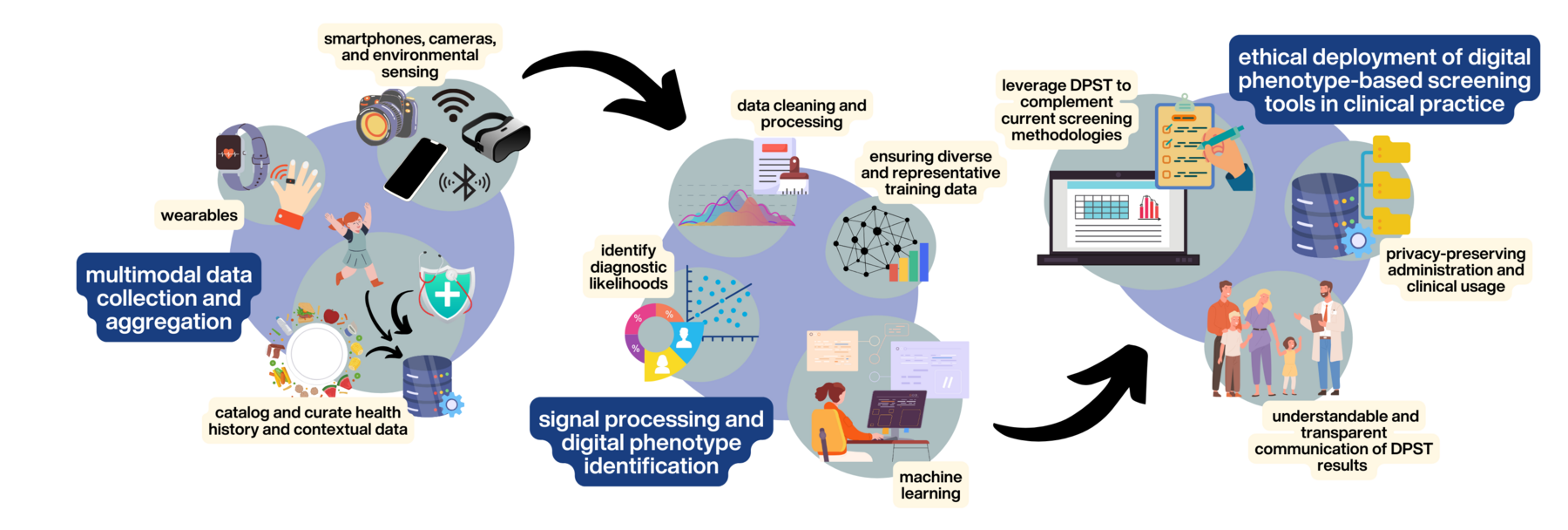
Chapter 1 established technical feasibility and research context for ChAMP, a smartphone-based platform for collecting multimodal signals associated with childhood anxiety, ADHD, and depression during brief structured behavioral tasks. In 101 children ages four to eight, machine learning classifiers achieved 70 to 73 percent balanced accuracy, comparable to established parent-report instruments. The chapter also introduced an ethical framework for deploying technologies such as ChAMP, offering guidance for real-world implementation.
Anchor papers
Loftness BC, Halvorson-Phelan J, O'Leary A, Bradshaw C, Lunna S, Berman I, Torous J, Copeland WL, Cheney N, McGinnis EW, McGinnis RS. The ChAMP App: A Scalable mHealth Technology for Detecting Digital Phenotypes of Early Childhood Mental Health. IEEE Journal of Biomedical and Health Informatics, 2023.
O'Leary A, Lahey T, Lovato J, Loftness BC, Douglas A, Skelton J, Cohen JG, Copeland WE, McGinnis RS, McGinnis EW. Using Wearable Digital Devices to Screen Children for Mental Health Conditions: Ethical Promises and Challenges. Sensors, 2024.
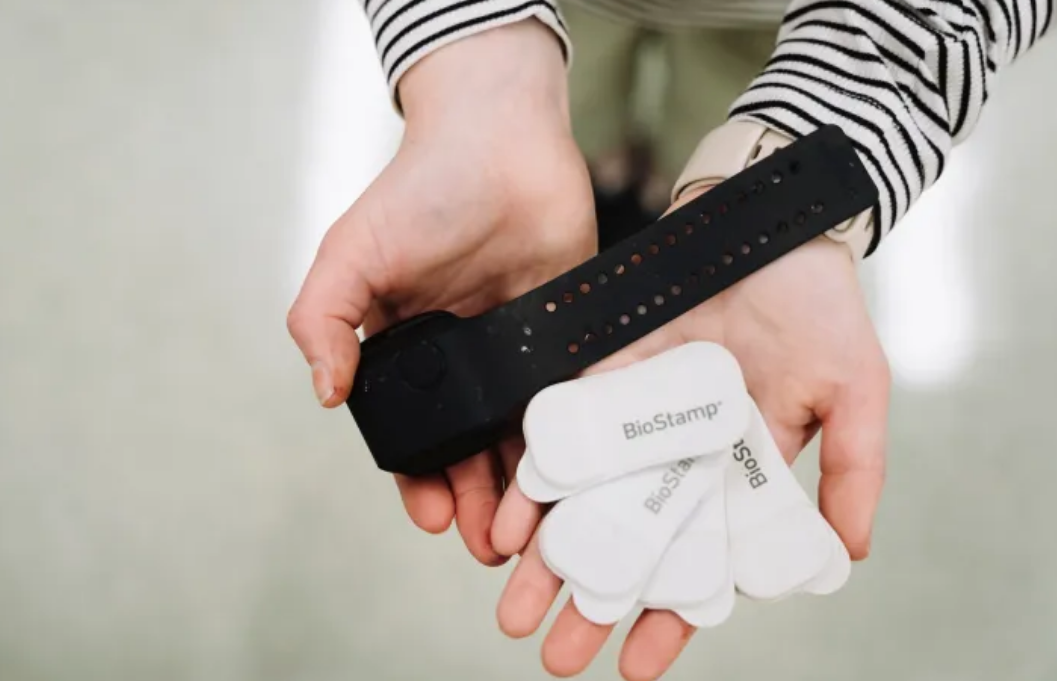
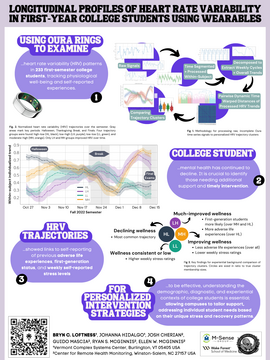 Loftness BC, Hidalgo J, Cherian J, Mascia G, McGinnis RS, McGinnis EW. Longitudinal Profiles of Heart Rate Variability in First-Year College Students Using Wearables.
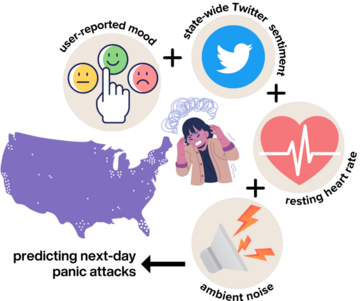 McGinnis EW, Loftness BC, Lunna S, Berman I, Bagdon S, Lewis G, Arnold M, Danforth CM, Dodds PS, Price M, Copeland WL, McGinnis RS. Expecting the Unexpected: Predicting Panic Attacks from Mood, Twitter, and Apple Watch Data.
 Petros BA, Paull JS, Tomkins-Tinch CH, Loftness BC (co-first), DeRuff KC, Nair P, et al. Multimodal Surveillance of SARS-CoV-2 at a University Enables Development of a Robust Outbreak Response Framework.
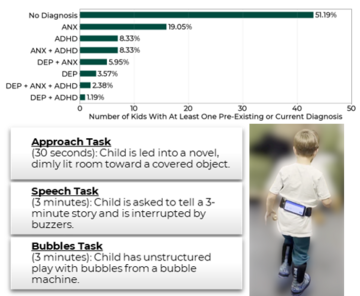 Loftness BC, Rizzo DM, Halvorson-Phelan J, O'Leary A, Lunna S, Bradshaw C, Brown AJ, Cheney N, McGinnis EW, McGinnis RS. Toward Digital Phenotypes of Early Childhood Mental Health via Unsupervised and Supervised Machine Learning.
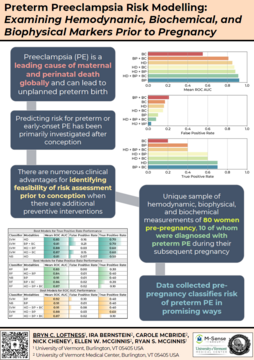 Loftness BC, Bernstein I, McBride CA, Cheney N, McGinnis EW, McGinnis RS. Preterm Preeclampsia Risk Modelling: Examining Hemodynamic, Biochemical, and Biophysical Markers Prior to Pregnancy.
 Specht I, Sani K, Loftness BC, Hoffman C, et al. Analyzing the Impact of a Real-Life Outbreak Simulator on Pandemic Mitigation: An Epidemiological Modeling Study.